
Brain Injury Attorney in Seattle
16+ Years of Personal Injury Experience. Over $10 Million Recovered for Clients.
Traumatic brain injury claims are among the most complex cases in personal injury law. Disputed diagnoses, long recovery timelines, and insurance companies that aggressively challenge the severity of injuries make these cases demanding from day one. At Damisi Velasquez Attorney at Law, Attorney Damisi Velasquez has been handling personal injury claims since 2010 and brings that depth of experience directly to every brain injury client, with no hand-offs to associates.
Our firm has recovered more than $10 million in compensation for clients across thousands of cases. Attorney Velasquez has been selected to Rising Stars from 2018 through 2020 and to Super Lawyers from 2024 through 2025, recognitions tied to both quality of representation and client feedback. When you work with us, you work with him throughout your entire case.
Brain injury cases are handled on a contingency fee basis, meaning you pay no upfront attorney fees. We don’t collect a fee unless we recover compensation for you. Initial consultations are free and available virtually for clients who can’t travel to our office. We’re available 24/7 for urgent calls.
If you or someone you love suffered a brain injury in an accident in Seattle, don’t wait to get legal guidance. Call our Seattle brain injury lawyers now at (206) 758-5603 for a free consultation.
The Difference in Our Representation
-
Personalized Legal StrategyEvery case is unique, so I build a strategy tailored to your injuries and situation. You get focused representation that reflects your specific needs.
-
Aggressive Insurance AdvocacyInsurance companies aim to reduce payouts, but I push back with strong preparation and persistence. My goal is to protect the full value of your claim.
-
Focus on Your RecoveryYou should focus on healing, not legal stress. I handle the case details so you can prioritize your recovery and medical care.
-
Clear Guidance Throughout Your CaseFrom start to finish, I keep you informed and supported. You’ll always know where your case stands and what comes next.
Common Causes of Traumatic Brain Injuries in Seattle
A traumatic brain injury (TBI) occurs when an external force disrupts normal brain function. The cause matters legally because it determines who bears liability and what evidence must be gathered. We handle brain injury claims arising from a wide range of accident types.
- Car accidents: Rear-end collisions can cause the brain to shift violently within the skull, producing TBIs even without direct head impact. High-speed crashes compound the damage significantly.
- Truck, motorcycle, pedestrian, & bicycle accidents: The forces involved in these collisions frequently produce severe head trauma, particularly when a rider or pedestrian lacks structural protection.
- Slip & fall accidents: Falls on wet floors, broken pavement, or poorly maintained property can cause serious head injuries, especially when elevation is involved.
- Construction site accidents: Falls from scaffolding or strikes from falling objects are significant sources of workplace TBIs and can give rise to both workers’ compensation and third-party personal injury claims.
- Assault: Intentional acts that cause head trauma can support a civil claim separate from any criminal proceeding.
One detail that catches many injury victims off guard: TBI symptoms don’t always appear immediately. Persistent headaches, memory problems, mood changes, and difficulty concentrating may not surface until days or weeks after the incident. If you’ve been in any accident involving head trauma, prompt medical evaluation matters, and so does early legal consultation before evidence is lost.
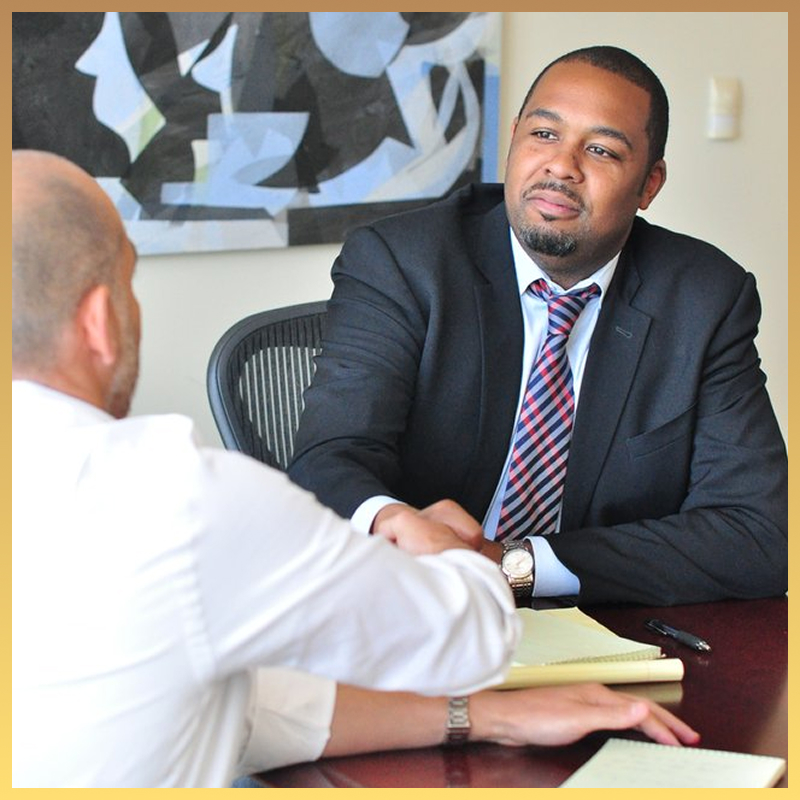

How We Handle Brain Injury Cases in Seattle
When you call Damisi Velasquez Attorney at Law, you reach us, not a call center. Our 24/7 availability means that if you’re dealing with a serious injury or an insurer pressing for a statement, you can get guidance when it matters rather than waiting until Monday morning.
Investigation & Medical Documentation
From the first consultation, Attorney Velasquez works to understand the full picture of your injury and the circumstances that caused it. That means investigating the accident, gathering evidence, and preserving documentation before it can be lost or altered. Medical records and expert opinions are central to building a strong TBI claim, particularly when imaging doesn’t capture the complete extent of damage.
Insurance Negotiations & Trial Readiness
Insurance companies routinely dispute brain injury claims. They may question the severity of the injury, challenge the connection to the accident, or push settlement offers that fall well short of actual losses. We manage all communications with insurers and push back against lowball offers. If a fair settlement can’t be reached, we’re prepared to take the case to trial, which can strengthen our negotiating position from the start.
Calculating the Full Value of Your Claim
A brain injury claim’s value depends on current and future medical costs, lost income, reduced earning capacity, and non-economic losses like pain, suffering, and diminished quality of life. We keep clients informed at every stage, including how we’re valuing the claim and why.

Compensation & Filing Deadlines for Brain Injury Claims in Washington
Washington personal injury law allows brain injury victims to pursue two categories of damages. Understanding both is essential to evaluating the full scope of a claim.
Economic Damages
These cover measurable financial losses: past and future medical expenses, hospitalization, rehabilitation, prescription costs, lost wages, and reduced earning capacity over the course of a career.
Non-Economic Damages
These address losses that don’t come with a bill: pain and suffering, emotional distress, loss of enjoyment of life, and disability or disfigurement. In serious TBI cases, non-economic damages can represent a substantial portion of total recovery.
Washington State imposes a three-year statute of limitations on personal injury claims under RCW 4.16.080, meaning a lawsuit must generally be filed within three years of the date of injury. The deadline is strict, and exceptions may be limited. Cases involving minors or claims against government entities operate under different rules. When a government entity is involved, Washington law requires filing a formal notice of claim before a lawsuit can proceed, and no suit may commence until 60 days after that notice has been presented. Waiting to consult an attorney can compromise a claim.