Drunk Driving Accident Lawyer in Seattle
16 Years Handling Washington Injury Claims. One Attorney. Every Case.
Drunk driving accident claims follow a different legal path than standard car accident cases. They can involve a parallel criminal prosecution, third-party dram shop liability, and insurers trained to move fast before injuries stabilize. Attorney Damisi Velasquez has been handling personal injury claims in Washington since 2010, and his boutique practice means clients work directly with him from the first call through resolution. No handoffs to associates. No rotating contacts.
Damisi Velasquez Attorney at Law has recovered more than $10 million in compensation for clients and handled thousands of cases. Attorney Velasquez has been selected to Rising Stars 2018 through 2020 and Super Lawyers 2024 through 2025. Initial consultations are free, available virtually, and we take calls 24/7 for urgent situations.
If you or a family member was hurt by a drunk driver in Seattle, call Damisi Velasquez Attorney at Law now at (206) 758-5603. We’re available around the clock, and your consultation is free.
Why a Boutique Practice Makes a Difference in These Cases
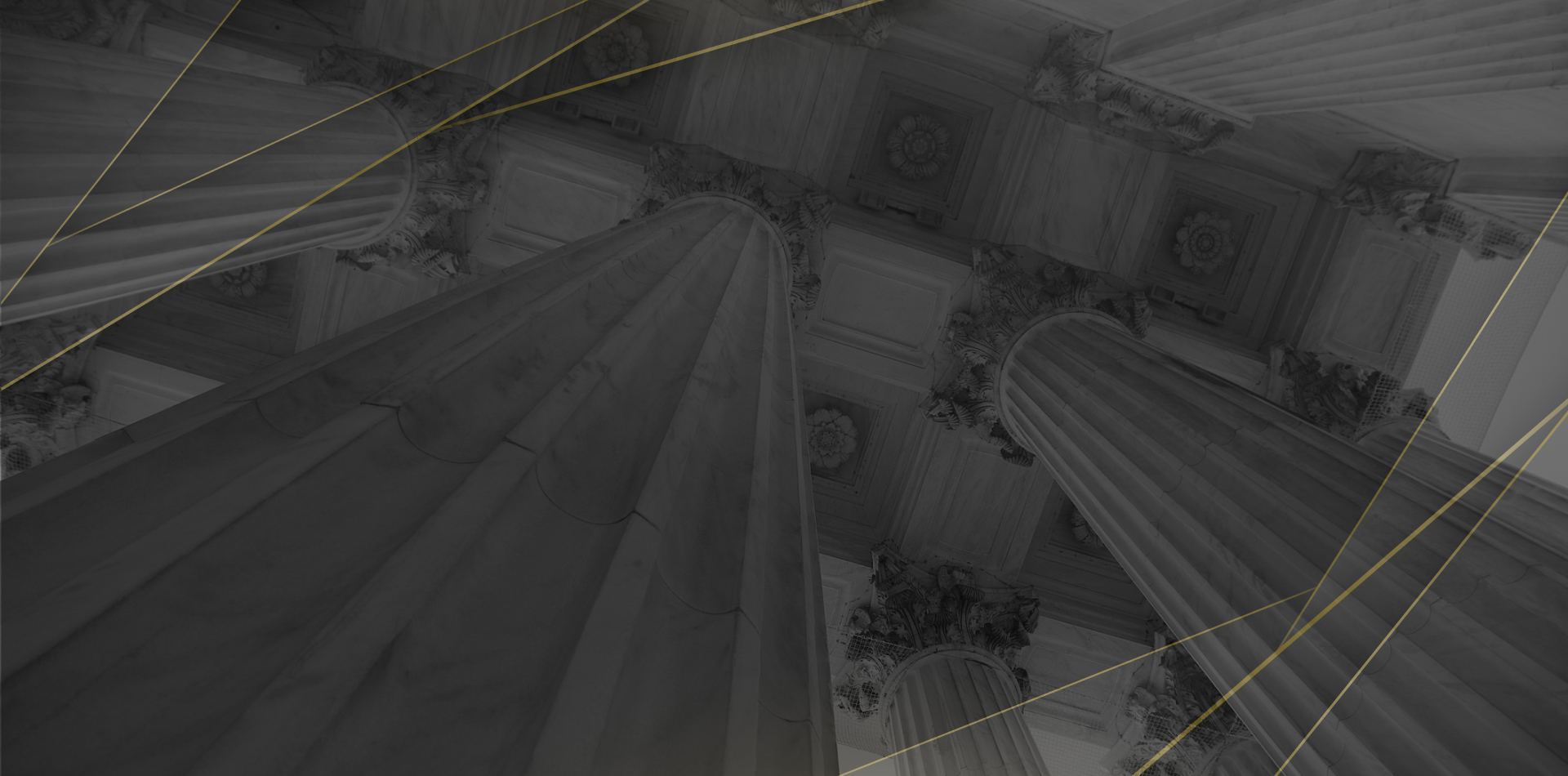
Larger personal injury firms often distribute cases across teams. When you call, you may reach a paralegal or a junior associate assigned to manage your file. At Damisi Velasquez Attorney at Law, Attorney Velasquez handles each case personally. That means one attorney who knows your file, understands your injuries, and is reachable when you have questions at 10 p.m. because the other driver’s insurer just left a voicemail.
Drunk driving victims often contact an attorney in the days immediately following the crash, when insurer communications, evidence preservation, and medical decisions are all happening at once. Having accessible, responsive counsel at that moment matters. Our contingency fee structure means there are no upfront attorney fees and nothing owed unless we recover on your behalf, removing the financial barrier to getting representation when you need it most.
The Difference in Our Representation
-
Personalized Legal StrategyEvery case is unique, so I build a strategy tailored to your injuries and situation. You get focused representation that reflects your specific needs.
-
Aggressive Insurance AdvocacyInsurance companies aim to reduce payouts, but I push back with strong preparation and persistence. My goal is to protect the full value of your claim.
-
Focus on Your RecoveryYou should focus on healing, not legal stress. I handle the case details so you can prioritize your recovery and medical care.
-
Clear Guidance Throughout Your CaseFrom start to finish, I keep you informed and supported. You’ll always know where your case stands and what comes next.
How Seattle Drunk Driving Accident Claims Differ from Standard Car Accident Claims
When a drunk driver causes a crash, two separate legal proceedings begin. The criminal DUI case is handled by a state prosecutor and can result in fines, license suspension, or jail time for the driver. It doesn’t pay your medical bills, replace your lost wages, or compensate you for what you’ve been through. Your financial recovery depends on the civil personal injury claim, which runs on its own timeline regardless of what happens in criminal court.
Evidence in these cases evolves. BAC results, body camera footage, toxicology reports, and officer observations may emerge over days or weeks. A civil claim must be managed in parallel so it doesn’t stall while waiting on the criminal case. Evidence that isn’t preserved early can be gone before it’s needed.
Washington follows an at-fault insurance model. The injured person files a claim against the drunk driver’s insurer, and those insurers often dispute causation, challenge injury severity, and push early settlements before treatment stabilizes. When the at-fault driver carries minimum or no insurance, which is common in DUI crashes, your own uninsured and underinsured motorist (UIM) coverage may become the primary source of recovery. Washington’s pure comparative fault rule under RCW 4.22.005 means your recovery is reduced by your own share of fault but not eliminated. Insurers often raise comparative fault arguments in impaired-driving cases specifically to reduce payouts.
Who Can Be Held Liable in a Seattle DUI Accident
Liability in a drunk driving crash doesn’t always end with the driver. Washington law creates several potential paths to accountability.
The Impaired Driver
Under RCW 46.61.502, it’s unlawful to operate a vehicle with a blood alcohol concentration (BAC) of 0.08% or higher. Drivers under 21 face a 0.02% threshold. Commercial drivers face a 0.04% threshold. A driver who violates this statute and causes a crash may be civilly liable for the resulting harm.
Bars and Restaurants
Washington’s dram shop law, rooted in RCW 66.44.200, can hold licensed alcohol vendors civilly responsible when they serve someone who is apparently under the influence and that person then causes a crash. This is addressed in more detail below.
Vehicle Owners
Owners who knowingly allow an intoxicated person to drive their vehicle can face liability under negligent entrustment principles.
Employers
An employer whose employee caused a DUI crash while performing work duties may face liability under respondeat superior, a legal doctrine holding employers responsible for employees’ actions within the scope of their employment.
Compensation Available to Drunk Driving Accident Victims
A drunk driving injury claim can pursue both economic and non-economic damages.
Economic Damages
Economic damages cover measurable financial losses: emergency care, hospitalization, surgery, medication, physical therapy, specialist follow-up, assistive equipment, and projected future medical costs. Lost wages for time missed from work and reduced earning capacity from lasting restrictions are also recoverable, supported by pay records, employer statements, and medical documentation.
Non-Economic Damages
Non-economic damages address what can’t be itemized on a bill. Physical pain and suffering, emotional distress, anxiety, PTSD symptoms, loss of enjoyment of life, and the lasting impact on relationships and daily function are all compensable losses. Insurers often try to narrow these categories, treat losses as temporary, or push quick settlements before the full picture is clear. Thorough documentation across the entire recovery timeline can help counter those tactics.
Wrongful Death Claims
When a DUI crash causes a death, surviving family members may bring a wrongful death claim under RCW 4.20.010, filed through the personal representative of the estate. Recoverable losses include financial support the decedent provided, household contributions, the value of services to the family, and non-economic losses such as loss of companionship and emotional support.

Washington’s Dram Shop Law and What It Means for Your Claim
When a bar, restaurant, or other licensed alcohol vendor serves a visibly intoxicated patron who then causes a crash, the vendor may be held civilly liable alongside the driver. This is Washington’s dram shop law, codified in RCW 66.44.200, which prohibits licensed vendors from selling or serving alcohol to anyone who is apparently under the influence of liquor. The Washington Supreme Court established the civil liability standard for these cases in Barrett v. Lucky Seven Saloon, 152 Wash. 2d 259 (2004).
To establish dram shop liability, a plaintiff generally must show four things:
- The defendant was a licensed commercial alcohol vendor
- The vendor served the person who caused the plaintiff’s injuries
- That person was apparently under the influence at the time of service
- The unlawful service was a proximate cause of the plaintiff’s injuries
When the drunk driver carries only minimum insurance that is quickly exhausted, a dram shop claim may meaningfully expand available compensation by introducing a second defendant with a separate policy.
Evidence disappears fast in dram shop cases. Surveillance footage gets overwritten. Receipts are discarded. Witness accounts of visible intoxication at the time of service are harder to reconstruct as time passes. Building a dram shop claim requires a different investigation: point-of-sale records showing purchase times and quantities, staff training records, and venue footage captured before it’s gone.
Social host liability works differently. Private individuals who host gatherings are generally not liable for serving alcohol to intoxicated adults in Washington. Social host liability arises primarily when a host furnishes alcohol to a minor under RCW 66.44.270.
Dram shop claims are subject to the same three-year statute of limitations as other personal injury claims under RCW 4.16.080. Moving quickly may help preserve options and protect the evidence that supports these claims.
What to Do After a Drunk Driving Accident in Seattle
The steps you take in the hours and days after a crash shape your civil claim. Call 911 and get a police report. That report is foundational evidence, capturing officer observations, field sobriety test results, and the driver’s condition at the scene. Seek medical attention even when injuries don’t feel severe right away. Some injuries worsen over days, and a gap in care can give insurers a basis to dispute causation. Document the scene with photographs and gather contact information from any witnesses.
Don’t give a recorded statement to the at-fault driver’s insurer before speaking with an attorney. Adjusters are trained to ask questions in ways that may narrow your claim. Early contact with a Seattle drunk driving accident lawyer can let you preserve evidence before it disappears and respond to insurer communications from a position of information rather than pressure.
How the Civil Claim Process Works
The civil claim moves independently of the criminal DUI case. We gather the police report, BAC or toxicology results, officer observations, witness statements, and crash-scene evidence to build the liability record while medical documentation develops. Washington follows an at-fault insurance system, so once treatment stabilizes and the full damages picture is documented, we submit a demand to the at-fault driver’s insurer.
If the insurer offers an inadequate settlement or disputes liability, the claim can proceed to litigation in King County Superior Court. Washington’s statute of limitations for personal injury claims is three years under RCW 4.16.080. Waiting to act doesn’t just risk that deadline: it risks losing evidence that could affect the claim.